
Linen fabric stands out as the top summer fabric because of its breathability, moisture-wicking properties, lightweight feel, and durability. Made from flax plant fibers, linen keeps you cool, dries fast, and gets softer with every wash—making it a smart, sustainable investment for warm-weather dressing.
Every summer, the same question comes up: what should I wear when the heat is unbearable? Trends may shift, but one fabric consistently holds its ground—linen. Worn for thousands of years across hot climates worldwide, linen has earned its reputation not through marketing, but through performance.
This guide breaks down exactly why linen fabric works so well in summer, how it compares to other common fabrics, and how to style and care for it. Whether you're building a warm-weather wardrobe from scratch or looking to buy fabric online for your fashion label, understanding linen's properties will help you make smarter decisions.
And if you're sourcing linen fabric wholesale or looking for reliable fabric wholesale suppliers, Fabriclore Pvt Ltd is one of the leading online and local fabric stores offering high-quality linen at competitive wholesale prices, trusted by 400+ private labels globally.
What Is Linen Fabric, and Where Does It Come From?
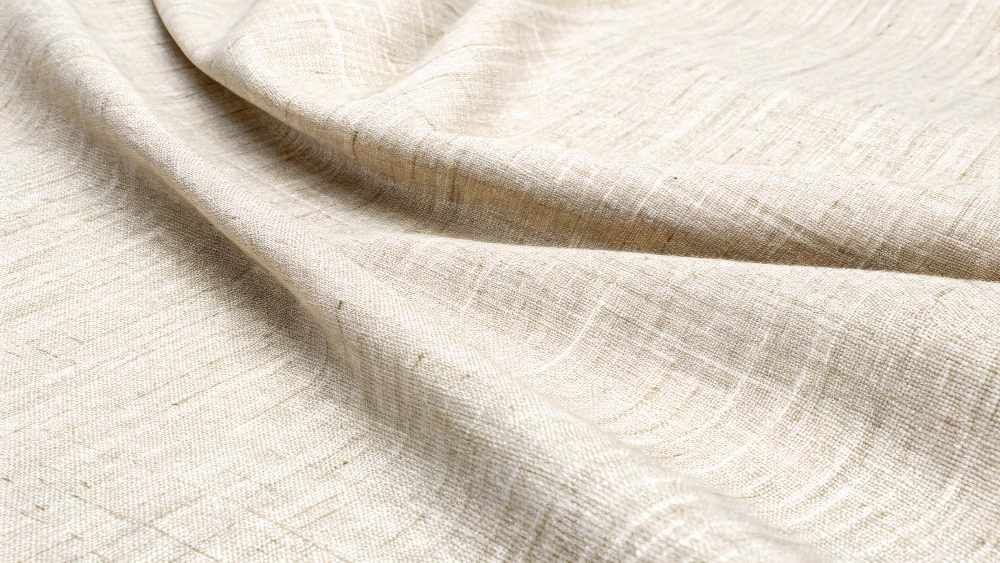
Linen comes from the flax plant (Linum usitatissimum). The fibers are extracted from the plant's stalks, spun into yarn, and woven into fabric. The result is a material that is naturally strong, slightly textured, and highly functional.
A few key characteristics set linen apart:
High tensile strength — linen fibers are stronger than cotton
High absorbency — linen can absorb up to 20% of its weight in moisture before feeling wet
Low elasticity — linen holds its shape well but wrinkles easily
Natural luster — linen has a subtle sheen that gives it a clean, polished look
These properties are not accidental. They are the direct result of how flax fibers are structured at a microscopic level—hollow, tubular, and tightly woven, which creates a fabric that is both strong and breathable.
How Does Linen's Breathability Compare to Cotton and Synthetics?
Breathability is linen's most celebrated quality, and for good reason. Linen's loose, open weave allows air to circulate freely against the skin. This airflow prevents heat from getting trapped between your body and the fabric.
Compare this to other common summer fabrics:
Cotton: Breathable, but holds more moisture and dries slower than linen. In high humidity, cotton can feel heavy and clingy.
Polyester and other synthetics: Trap heat and moisture, making them poorly suited for hot weather despite their lightweight appearance.
Linen: Allows maximum airflow, absorbs moisture quickly, and dries fast—keeping you consistently cooler throughout the day.
Studies have shown that linen can keep the body temperature up to 3–4°C lower than cotton in hot conditions. For anyone spending extended time outdoors in summer, that difference is significant.
Moisture-Wicking and Absorbency: Why Linen Handles Sweat Better
Sweating is inevitable in summer. What matters is how your fabric responds to it. Linen absorbs moisture rapidly and releases it just as fast through evaporation. This quick-dry cycle means linen rarely feels damp or sticky against the skin.
Unlike synthetics, which trap sweat and can cause skin irritation, linen is hypoallergenic and gentle on sensitive skin. It also has natural antibacterial properties, which reduce odor over time.
For anyone buying linen fabric online for activewear, loungewear, or summer clothing lines, this moisture management performance makes linen a technically strong choice—not just a stylish one.
Lightweight and Comfortable: What It Feels Like to Wear Linen
New linen can feel slightly stiff at first. That is normal. After a few washes, linen softens considerably and begins to drape naturally against the body. Over time, it feels increasingly comfortable—like a second skin that moves with you rather than against you.
Linen is also lightweight, which makes it ideal for layering in unpredictable summer weather. A linen shirt worn over a tank top is just as practical as a linen dress worn alone on a hot day.
This adaptability is one reason linen fabric wholesale remains in strong demand among fashion brands. It works across multiple garment types without losing its core performance benefits.
Durability and Longevity: How to Care for Linen Fabric
Linen is one of the strongest natural fibers available. It does not weaken with washing—in fact, linen gets stronger and softer with age when cared for correctly.
Tips for caring for linen:
Wash in cool or lukewarm water — hot water can cause shrinkage
Use gentle detergents — harsh chemicals break down linen fibers over time
Air dry when possible — tumble drying on high heat shortens linen's lifespan
Iron while slightly damp — this makes wrinkle removal easier
Store loosely folded — avoid tight compression, which stresses the fibers
Investing in quality linen clothing or linen fabric for your brand means fewer replacements over time. That is a practical benefit both for consumers and businesses buying fabric wholesale.
Is Linen Fabric Sustainable and Eco-Friendly?
Yes—and this matters more now than ever.
Flax, the plant linen comes from, requires significantly less water than cotton. It also needs fewer pesticides and fertilizers, making it a low-impact crop. Every part of the flax plant can be used, which means minimal waste in production.
Linen is also fully biodegradable. When untreated or undyed linen reaches the end of its life, it breaks down naturally without releasing harmful microplastics—a major concern with synthetic fabrics.
For brands looking to buy fabric online with sustainability in mind, linen fabric is one of the most responsible choices available in the market today.
How to Style Linen: From Casual to Professional
Linen's natural texture gives it a distinct, lived-in aesthetic that works across a wide range of settings.
Casual summer looks:
Linen shorts paired with a relaxed linen shirt in a matching tone
A loose linen dress with sandals and a straw hat
Linen trousers worn with a simple white tee
Smart or semi-formal looks:
Tailored linen trousers with a tucked-in linen blouse
A structured linen blazer over a plain shirt for warm-weather office days
A linen midi dress dressed up with heeled sandals and minimal jewelry
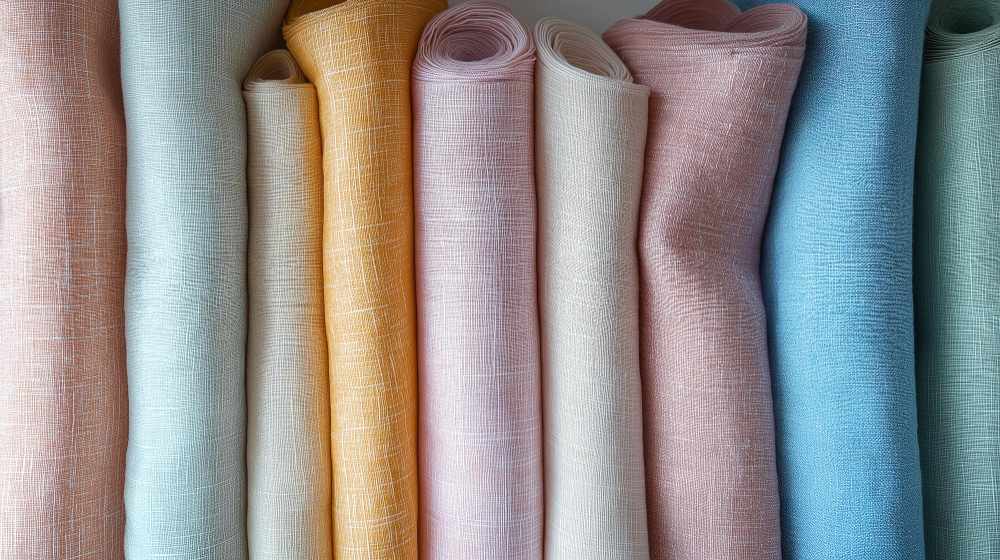
Neutral colors like white, beige, sage, and navy work best in linen because they highlight the fabric's natural texture. However, bold colors in linen have become increasingly popular for resort and vacation wear.
For fashion businesses buying linen fabric wholesale, this styling versatility means a single fabric investment can span multiple product categories—from workwear to beachwear.
Does Linen Wrinkle? Here Is How to Think About It
Yes, linen wrinkles. There is no way around it.
But here is the thing: the wrinkles that form in linen are part of its character. Unlike wrinkles in structured synthetic fabrics, linen's creases look intentional and relaxed—not unkempt. Many fashion stylists now actively embrace the rumpled linen look as part of a confident, effortless summer aesthetic.
If you prefer less wrinkling, here are some practical tips:
Choose a linen blend (linen-cotton or linen-viscose) for more wrinkle resistance
Hang linen clothing immediately after washing
Use a handheld steamer for quick touch-ups rather than ironing
Wear linen in looser, more relaxed silhouettes, which show creases less than tailored cuts
Wrinkles in linen are not a flaw. They are simply a feature of a natural fabric doing what natural fabrics do.
Build Your Summer Wardrobe Around Linen
Linen fabric earns its place in summer wardrobes because it actually works—not because it is fashionable. It keeps you cooler, handles sweat better, lasts longer, and has a smaller environmental footprint than most alternatives.
For consumers, adding even a few linen pieces to your wardrobe can meaningfully change how comfortable you feel in the heat. For fashion brands and designers, sourcing linen fabric wholesale gives you a high-performance, sustainable base material that appeals to an increasingly conscious customer.
If you are looking to buy fabric online or source linen fabric wholesale at competitive prices, Fabriclore Pvt Ltd offers an extensive range of linen and linen blend fabrics with low minimum order quantities, customizable designs, and reliable delivery. Trusted by 400+ private labels globally, Fabriclore makes fabric sourcing simple—whether you are a startup brand or an established label.
Frequently Asked Questions About Linen Fabric
Is linen fabric better than cotton for summer wear?
In most summer conditions, yes. Linen dries faster than cotton, allows more airflow, and keeps body temperature lower. Cotton is softer initially, but linen outperforms it in breathability and moisture management, particularly in high-humidity environments.
How does linen fabric feel on the skin?
New linen can feel slightly coarse or stiff. After washing a few times, linen softens significantly and becomes more comfortable with each wear. Linen blends (such as linen-cotton) soften faster than 100% linen.
Where can I buy linen fabric online in bulk?
You can buy linen fabric online through fabric wholesale platforms like Fabriclore Pvt Ltd, which offers linen fabric wholesale at low minimum order quantities with options for custom prints and designs.
Is linen fabric sustainable?
Yes. Linen is made from flax, which requires less water and fewer pesticides than cotton. It is fully biodegradable and produced with minimal waste, making it one of the more sustainable natural fabric options available.
Does linen shrink when washed?
Linen can shrink slightly in hot water. Washing in cool or lukewarm water and air drying will prevent significant shrinkage and extend the fabric's life.
What types of clothing are made from linen fabric?
Linen is commonly used for shirts, trousers, dresses, shorts, blazers, and jumpsuits. It is also widely used for homewear, bedding, and light outerwear. Its versatility makes it a popular choice for fashion brands sourcing linen fabric wholesale.

Write a comment ...